Clay Terracotta Tiles Are Experiencing a Renaissance
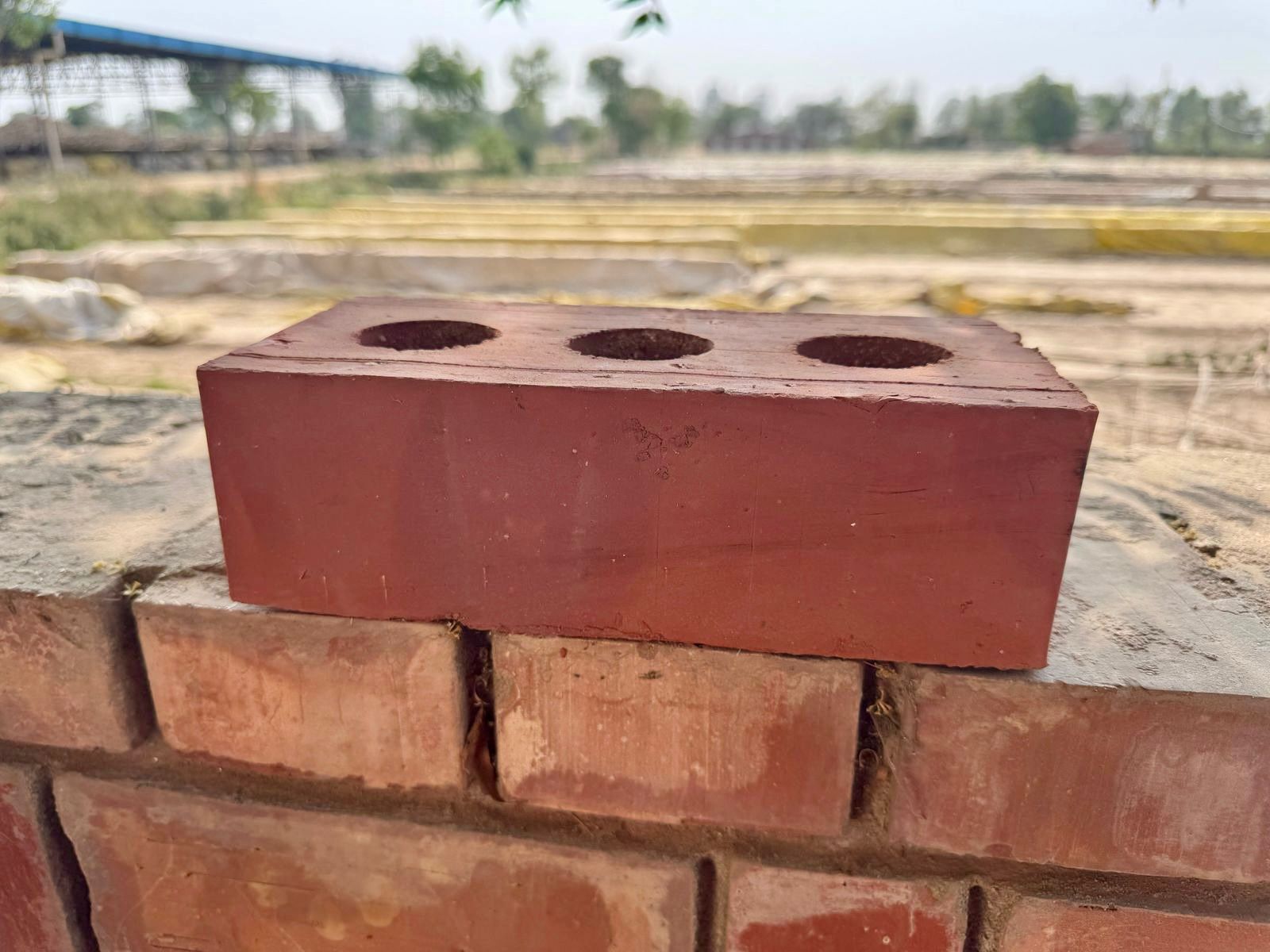
I still remember the first time I walked into a renovated heritage home in Rajasthan, where the new clay terracotta tiles used on the walls made me pause. The texture, the warmth, the slight color variation — it had character no polished surface could match. Over a decade of working in façades, interiors, and exteriors, I’ve seen many materials come and go, but terracotta keeps reclaiming its place.
In this post, I’ll walk you through:
If you are planning a residential façade, a boutique café frontage, an internal accent wall, or even an outdoor terrace, by the end you’ll have a stronger sense of when and how clay terracotta can elevate your project — and the traps to avoid.
1. What Are Clay Terracotta Tiles? Technical Profile & Varieties
Definition & Manufacturing Basics
At its core, a clay terracotta tile is a tile made from natural clay (often red or buff clay) that’s shaped and then fired in a kiln. The term “terracotta” literally means “baked earth.” The result is a somewhat porous, earthen tile with warm tones.
Compared to glazed ceramics, terracotta is generally more absorbent (unless sealed or glazed), and offers that raw, rustic texture many designers seek.
There are several manufacturing variations:
Key Material Properties & Performance
To evaluate a terracotta tile for real-world use, here are the metrics I always insist on:
Importantly: In my projects, I request the supplier’s lab reports or test certificates on these metrics before placing large orders.
2. The Advantages & Limitations of Clay Terracotta Tiles
Before selecting, you must weigh pros and cons — many clients find terracotta’s strengths compelling, but it’s not without caveats.
Advantages
Limitations & Risks
As an example from a project I oversaw in a monsoon-prone area: we used unsealed terracotta floor tiles outdoors. After heavy storms, patches turned darker with algae growth. The remedy: deep cleaning and resealing, which cost time and money. That taught me never to skip protective finishes in outdoor or exposed zones.
3. Using Terracotta Tiles on Walls: Strategy & Best Practices (Terracotta Tiles Wall & Terracotta Tiles for Wall)
Walls are more forgiving than floors (less impact), but still demand careful execution. Below, I share how to use terracotta or exposed brick for walls successfully.
Where & Why Use Terracotta Tiles for Wall Applications
Terracotta wall tiles deliver texture and character that paint or veneer can’t replicate.
Wall System & Fixing Methods
Because walls are vertical, the fixing method matters greatly:
From one of my projects: We installed a terracotta feature wall in a lounge area. The contractor insisted on using skewed tile orientation (diamond pattern). But we insisted on building a mock-up first. The mock-up revealed some edge misalignment. We adjusted layout offsets, and the final installation was flawless.
Grouting, Cleaning & Finishing
Challenges & Mitigations
4. Outdoor Terracotta Tiles: Applications, Constraints & Techniques
When you place terracotta outside — patios, terraces, pool surrounds, eaves — the challenges multiply. But done right, the effect is stunning.
Applications of Outdoor Terracotta Tiles
Many designers prefer outdoor terracotta tiles for their natural texture, slip resistance, and ability to blend with vegetation or stone.
Key Challenges in Outdoor Use
Best Practices for Outdoor Installation
Many modern terracotta outdoor tile lines are specifically rated for outdoor performance — manufacturers advertise them as “outdoor terracotta tiles” or “weather-resistant terracotta.
For instance, in garden design blogs, terracotta patios are championed for staying cool underfoot and creating a rustic warmth.
On a rooftop project I consulted on, we used terracotta slabs with 2.5–3% slope and concealed drainage gaps. After two monsoons, no tiles lifted or cracked — but we had prioritized movement joints and high water absorption resistance in the tiles we selected.
5. Design & Layout Strategies with Clay Terracotta Tiles
To get the most from terracotta’s aesthetic potential and keep risk in check, these strategies help:
Mix Shades & Batches
Because terracotta naturally varies, mix tiles from multiple batches in the layout to avoid visible “blocks” of one hue.
Orient for Texture & Grain
Certain tiles might show directional grooves or textures when oriented one way — decide layout early. Rotating tiles 180° might help minimize pattern bias.
Combine with Other Materials
Blend terracotta with wood, stone, glass, or metal for contrast. For example: a terracotta accent wall framed by metal edges looks sharper than a pure terracotta mass.
Edge & Transition Details
Use bullnose pieces, L-shaped trims, or matching corner tiles to transition to plaster, glass, or wood. Avoid abrupt cut edges showing raw clay.
Feature Insets or Patterns
You can embed motifs, mosaics, or relief patterns within terracotta tiles to create focal elements — especially in walls. In one boutique hotel I worked on, a terracotta map mosaic was inset into the lobby wall, matching the main tile field.
Scale & Joint Widths
Large-format tiles (say 300×300 mm or larger) reduce joint visual noise but require flat substrate. Smaller tiles (e.g. 150×150 mm) can accommodate subtle slopes or irregularities better. Joint widths of 4–10 mm are common, adapted by local conditions.
6. Selecting Quality Terracotta Tiles for Your Project (Buyer’s Checklist)
Here’s the checklist I run through before endorsing any terracotta tile for a project:
I often insist suppliers also show me sample tiles cured in sun, after soaking, etc., to check color stability and water performance.
7. Maintenance, Repair & Lifecycle Considerations
Your terracotta installation is only as good as the follow-up care. Based on field experience:
In one villa I oversaw, a neglected terrace’s terracotta cracked after years of exposure. We replaced the failed tiles and added better drainage and sealing — the subsequent tiles lasted long without further issues
Here are some highlights:
Use these as references to ask for similar specs (thickness, absorption, slip rating) from local suppliers.
Conclusion & Call to Action
Clay terracotta tiles bring a timeless beauty, warmth, and authenticity that few materials can match. Used thoughtfully, they transform plain walls into art, outdoor floors into rustic patios, and interiors into cozy sanctuaries. But the magic lies in careful product selection, smart detailing, and ongoing care.
If you’re planning a project — whether a terracotta tiles wall, a terracotta tiles for wall accent, or outdoor terracotta tiles in a patio or façade — let me help you vet suppliers, review mock-ups, or finalize technical specs. Just tell me your location, approximate budget, and project type, and I’ll send you a tailored shortlist and checklist.
FAQs (Frequently Asked Questions)
Q1. Are clay terracotta tiles suitable for use in humid or rainy climates?Yes — but only if they are low-porosity (or glazed/sealed) and installed with drainage and waterproofing behind them. Without sealing, raw terracotta can absorb water, leading to staining, efflorescence, or structural damage over time.
Q2. Can terracotta tiles be used for vertical exterior façades?Absolutely. With proper fixing systems (adhesive + mechanical supports), expansion joints, and substrate preparation, terracotta tiles for wall applications can provide durable, beautiful façades. But heavy panels or thick tiles require additional support.
Q3. How often must outdoor terracotta tiles be resealed / maintained?Generally every 3–5 years, depending on exposure, climate, and traffic. In very harsh or UV-intense zones, more frequent sealing may be needed. Regular cleaning and prompt repair of damaged tiles will extend life further.
If you want me to produce a localized version (for Jaipur, NCR, or your city) — with cost benchmarks and vendor recommendations — I’d be happy to do that next.
Need the exact numbers? See our terracotta tile size guide and full brick cladding tile size chart for dimensions on every finish we stock.